★★★★★
amazing movie
Dan Williams—February 15, 2026✓ Verified purchase
loved and still loving this movie Read more


Tom Cruise (Actor), Julianne Moore (Actor), Paul Thomas Anderson (Director, Producer, Writer) & 0 more Rated: R Format: Blu-ray
In Stock
Easy Returns · Return eligibility shown before checkout
| Genre | Suspense |
|---|---|
| Format | AC-3, Blu-ray, Color, Dolby, Dubbed, Multiple Formats, NTSC, Subtitled, Widescreen |
| Contributor | Jason Robards, Joanne Sellar, John C. Reilly, Julianne Moore, Lynn Harris, Melinda Dillon, Melora Walters, Michael De Luca, Paul Thomas Anderson, Philip Baker Hall, Philip Seymour Hoffman, Tom Cruise, William H. Macy See more |
| Initial release date | 2010-01-19 |
| Language | English, Spanish |
| aspect_ratio | 2.35:1 |
|---|---|
| is_discontinued_by_manufacturer | No |
| mpaa_rating | R (Restricted) |
| product_dimensions | 7 x 5.25 x 0.5 inches; 2.4 ounces |
| item_model_number | 794043131929 |
| director | Paul Thomas Anderson |
| media_format | AC-3, Blu-ray, Color, Dolby, Dubbed, Multiple Formats, NTSC, Subtitled, Widescreen |
| run_time | 3 hours and 8 minutes |
| release_date | January 19, 2010 |
| actors | Jason Robards, John C. Reilly, Julianne Moore, Tom Cruise, William H. Macy |
| dubbed | : Spanish |
| subtitles | : English, Spanish |
| producers | Joanne Sellar, Lynn Harris, Michael De Luca, Paul Thomas Anderson |
| language | English (Dolby Digital 5.1), English (Dolby TrueHD 5.1), Spanish (Dolby Digital 5.1) |
| studio | WarnerBrothers |
| writers | Paul Thomas Anderson |
| number_of_discs | 1 |
| best_sellers_rank | #1,683 in Movies & TV ( See Top 100 in Movies & TV ) #219 in Drama Blu-ray Discs |


Product video 1
Customers say
Customers consider this movie an all-time favorite with riveting performances by all cast members. Customers appreciate the character development, with one review noting well-formed three-dimensional characters.
loved and still loving this movie Read more
'Magnolia (1999)' is an epic on the cosmopolitan human being and his/her endeavor quests. Written and directed by Paul Thomas Anderson, 'Magnolia' is a notch within a catalogue of movies distinct in a legacy of interpretations on the 'living with yourself' struggle. The famous magnolia has six pedals on its flower, and is the emblem fronting advertisements for 'Magnolia' the film. 'Magnolia' highlights ten persons, but the movie has instead stories, about eight, which may be separated and defined as aquaintanceship passage worlds. In a critical or naive observer's relinquishment to pleasure, the identification of these abstracted meanings from specific interactions of people forces definitions for description. Adoration is nurtured without actual conscious or physical permission on our part. Paul Thomas Anderson's illumination of the randomness of actions and events which induce interior dilemma and Anderson's anecdotes in relief of uncanny tropes and foibles is a defining generation genre. The chaotic and furtive haphazard trials of the various casual and upscale cliques of San Fernando Valleyers is the-such a thing, what do ya call it?-that Anderson has made an obsessive relationship with, harnessing analogous excitement growths. The Californian populace of contemporary social tone colors has been a-work within-globe of malleable music that Anderson has accentuated in elevation mania. The icons of the silly, arbitrarily thrown together situation dictated these brash illuminations. Anderson has modeled social mischievousness, abrupt intemperance, and heart awakening recognitions in his cumulous variable scrutiny. Speaking of drama, in 'Magnolia' big things-the issues-are stated outright. Stanley Spector(Jeremy Blackman), the host for the quiz show 'What Kids Know', says: "I'm dying of cancer." T.J.Mackie(Tom Cruise) calls his father, who is dying, a terrible name. In P.T. Anderson's multi-pane quilt the substrations of ominous trouble are sustainable even though we look at larger than life oil-paint figures. One hangs on to a semi-recognizable caricature because outside these concupiscent lives are anecdotal coincidences waiting to deliver any detachment into unsolicited irrelevant involvement. 'Magnolia' demonstrates that lottery chance, and unanticipated meetings happening against numerical unlikeliness are significant because the persons, the targets of serendipity have their own perogatives. Earl Partridge(Jason Robards) has a deathbed speech about his guilt over having cheated on his wife. Listening to Earl Partridge we hear his evidences for feeling what he calls 'the regret', and they are quite rational. Anyone can play at being lonely or hurt, or feign having dynamic enthusiasm, but even if these traits are intemperately assigned-like a child improvising theater scenes in front of his tape recorder-there are back story details to make all the ostentatious gestures legitimate again. Donnie Smith(William H. Macy) is a former contestant on 'What Kids Know' and is grown into adulthood. Donnie is in a bar, confessing peremptorily that "I have love to give". The ensuing dialogue references points of former conversations. It is drama! The words stay in our minds, not because they are ornate syllables that are worked out in meter. In fact, the conversation between Quiz Kid Donnie Smith and Thurston Howell(Henry Gibson) is filled with vulgar language, but, because the characters articulate their pains, sympathy is cognated. Strange coincidences involve mixing with other people. When the moods are cast, staring at a tense face, watching a conversation from a low camera, these actors are themselves vectors of surprise; loaded up with anxiety, ready to implode. It's revelatory, a quixotic sweetness when there is an impromptu offer to help, and at times, a query could be from a stranger who is disinterested. The best example of this is seen in the tale of Jim Kurring(John C. Reilly) who is a cop with the Los Angeles Police Department. Jim narrates some of his scenes as he describes his work and uncovers indiscreet individuals. The sequences are true to life in the well documented drama vein. Again, broad values are said in directness and are also indicative of a caring person. Jim's solicitations to Claudia(Melora Walters) , in his loyalty to those in need, form endearing sentiments and bring joy that goes beyond 'being touched'. The motions during navigation struggles in novel emotion are consistent to fumbling real likenesses, but there is much force in the words. Traditional epics make use of the conventions of the physical environment to forge an outcome based on a hero's choices, and this protagonist has already, a prescribed personality. The denizens in Anderson's sketches must make decisions about their values or approaches to their perceived problems having been made partners with sidetracked happenings or detouring calamities. These are stories where physical objects mark dramatic arcs as they relate to events to entwined aquaintances or strangers. From a higher perspective a commonplace singular theme exists in the fact that the people in 'Magnolia' are from the city of Los Angeles and do in ways, share an absolute causality with other people, to fulfill unconnected objectives. Read more
Good copy. Read more
Paul Thomas Anderson is a remarkable creative mind. That being said, `Magnolia' isn't as strong as it could have been. That isn't to say that the film doesn't have merit, because it is authentic and truly earnest; perhaps too much so. The one thing that kept springing to mind while watching this film was that it lacked balance. This is the last of Anderson's films for me to see, and so it's odd for me that this is one of his most raved (possibly his most raved) film to date. While the Academy embraced his latest (and greatest) masterpiece, `There Will Be Blood', there are many vocal detractors to that film, while little is said to degrade `Magnolia'; a film that is considered by many to be an intellectual masterpiece of modern cinema. The film is good, but it is missing something. Like I said, `Magnolia' lacks balance. It surprises me, because that is one thing I find so fascinating about Anderson's other work; they are so balanced. Even something as dark as `There Will Be Blood' is emotionally landscaped in way so that you can feel the ups and downs, the highs and lows with precise effect. Anderson maps out his scenes in such a way that you `get' them. `Boogie Nights' balanced tones so effortlessly; creating such robust feelings that ran the gamut of witty and charming to eerily aggressive; and it all flowed. Even a film as `uneven' as `Punch Drunk Love' felt remarkably well thought out (despite my lack of true passion for the film, I easily consider Anderson's direction exceptional). Going all the way back to his debut, `Hard Eight', it is notable the way that Anderson plays with darkness in a way that feels eerily accessible. There are no swells in `Magnolia'. It is somewhat one-note. There is one emotion that permeates the entire film. It is depressing. One depressing scene after another depressing scene. I mean, the middle of the film felt like the end of the film because even the music was making me feel like the whole world was going to end and everyone was going to die that very moment and yet it still had over an hour and a half to go before the film ending. I have never felt so depressed watching a film in all my life; to the point where the conclusion truly brings no resolve or lifted spirits because it is too little too late. The damage had already been done. But, there is something about this film that speaks to me. As with all of Anderson's films, I feel that this is one to be seen again and again before it can be appreciated. I mentioned, in my review title, a sliver of the film's conclusion, and it is a moment that took me by complete surprise and helped me to appreciate it all the more. It felt right, despite being so off. It added a layer to this film that I wholly need to explore. I just wish that the film had more shades to it. That being said; the film is an acting goldmine. Philip Baker Hall and Jason Robards are phenomenal as the film's dying patriarchs, both of whom have debts to pay to their children. Julianne Moore is heartbreaking and completely sincere as the trophy wife with a plateful of regret. William H. Macy and Jeremy Blackman complement one another beautifully, playing the same role just decades apart. John C. Reilly is so tender and relatable as the insecure cop who catches a break with the wrong woman. But it is Philip Seymour Hoffman and Tom Cruise who really steal every scene. Their characters could be more different and yet they emote so deeply. Cruise is a firecracker, throwing charisma at everyone in his path and yet it is his emotional breakdown that feels the most real; considering that his entire persona is built upon a façade. It is Hoffman who grabbed me the most though. The way he uncovers us layers of true caring while watching over Cruise's dying father; its remarkable how much his eyes convey. The film; an interwoven collage related stories, has its moments, and the actually concept is one that I find inspired. In fact, I kind of find this film utterly fascinating. Like many have said about most all Anderson's work; it is flawed and yet it is unforgettable. Anderson has undeniably honed his skill as a director. His work on `There Will Be Blood' is almost untouchable (a directorial achievement that grows in my estimation every time I merely `think' of the film), and his promise is seen all over this film that is slightly `over-achieved'. This is not his worst film (but `worst' is not really a word to be used with his films), but that isn't a consolation when, with a little more focus given to layering the emotions, this could have been a clear masterpiece. And yet, maybe it is a masterpiece. Read more

The Banshees Of Inisherin Blu-ray

Doctor Who The Complete David Tennant Collection Blu-ray

Game of Thrones The Complete Eighth Season Blu-ray

Big Fish - 4K Blu-ray Digital

Whiplash - 4K Blu-ray Digital

Wicked - 4K Ultra HD Blu-ray Digital

The Prince of Egypt - 4K Ultra HD Blu-ray Digital 4K UHD

Fight Club Blu-ray
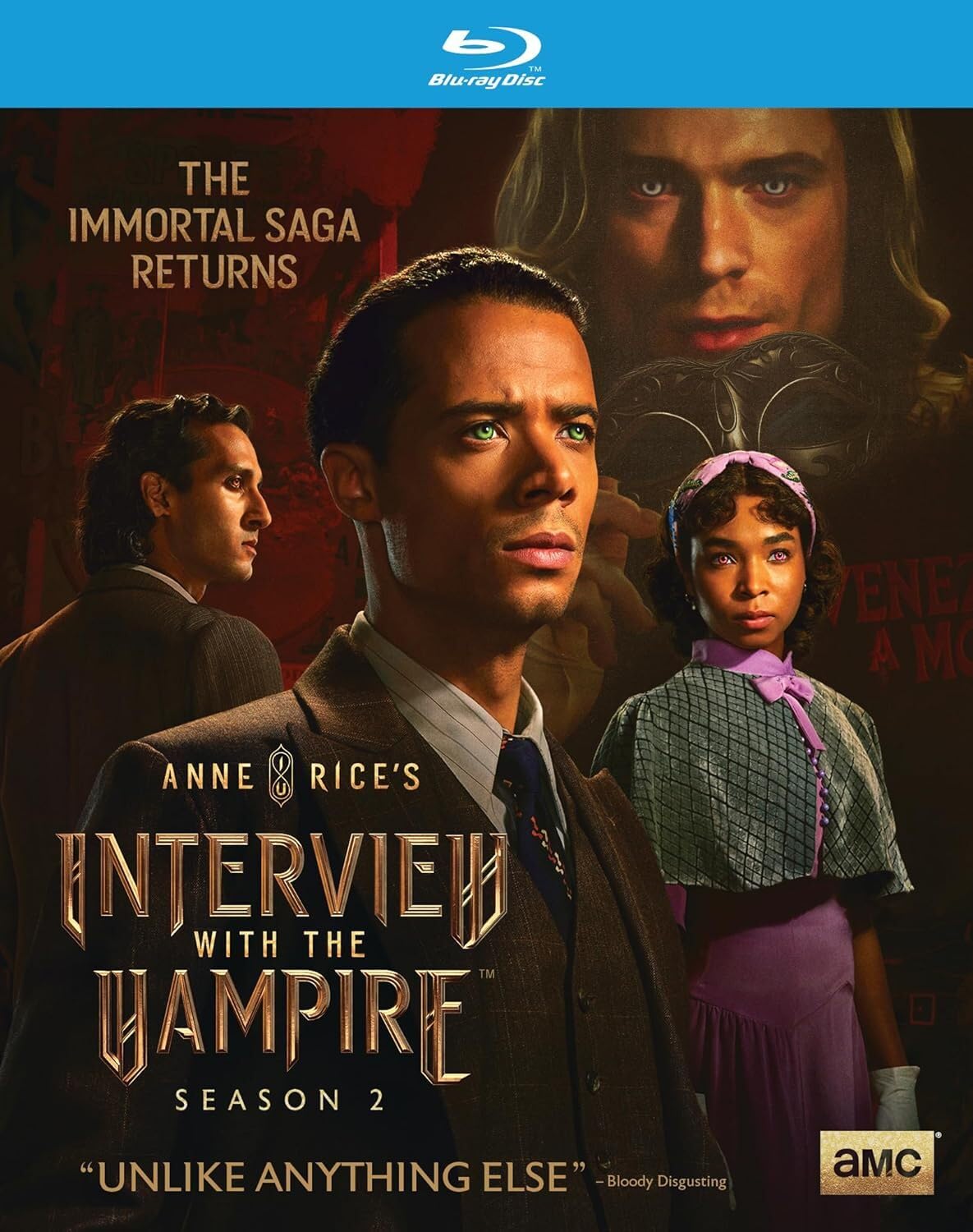
Interview with the Vampire - Season 2 Blu-Ray

Spider-Man No Way Home - 4K Blu-ray Digital

Spider-Man No Way Home - Blu-ray DVD Digital

Coraline - Limited Edition Steelbook 4K Ultra HD Blu-ray 4K UHD
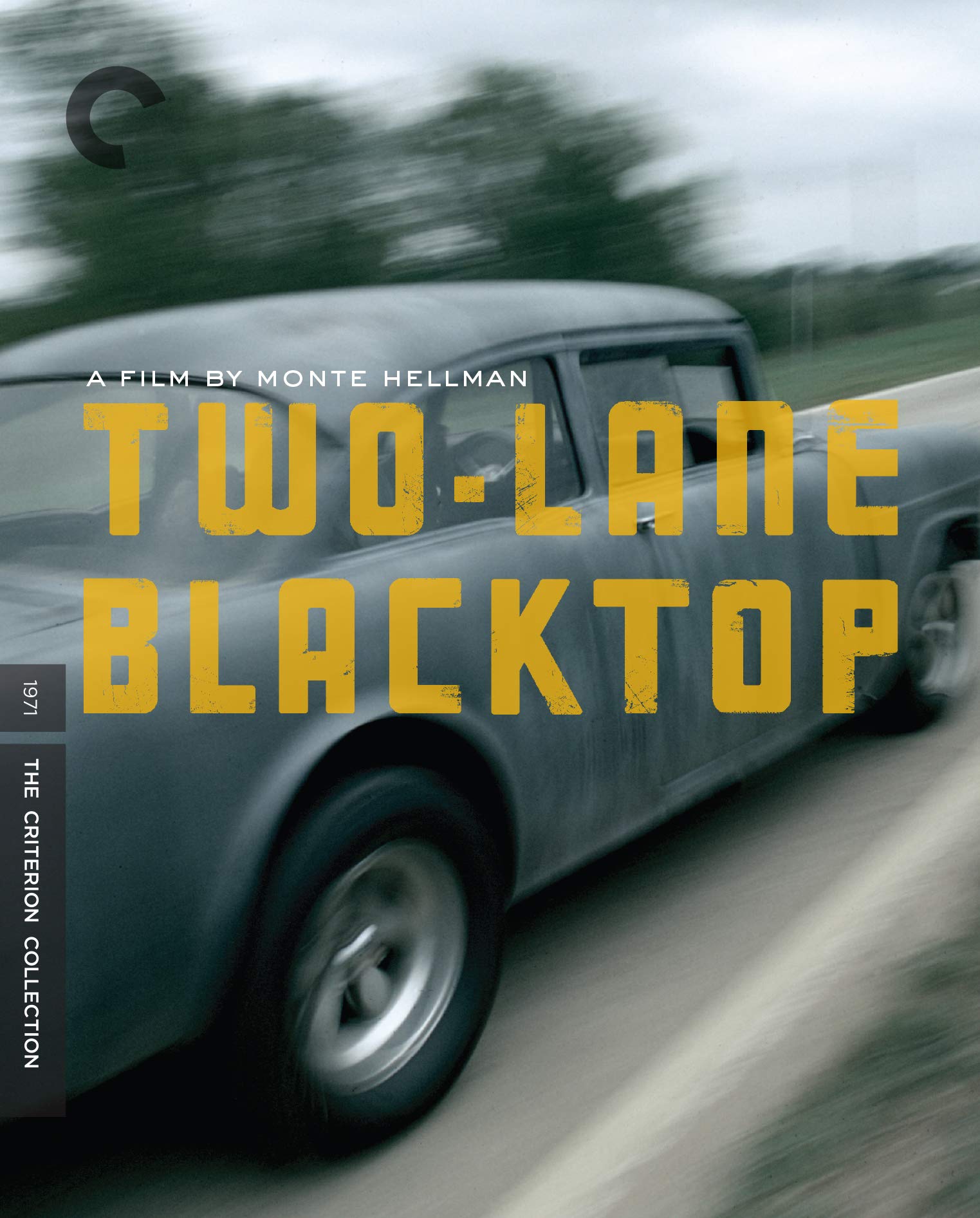
Two-Lane Blacktop The Criterion Collection Blu-ray
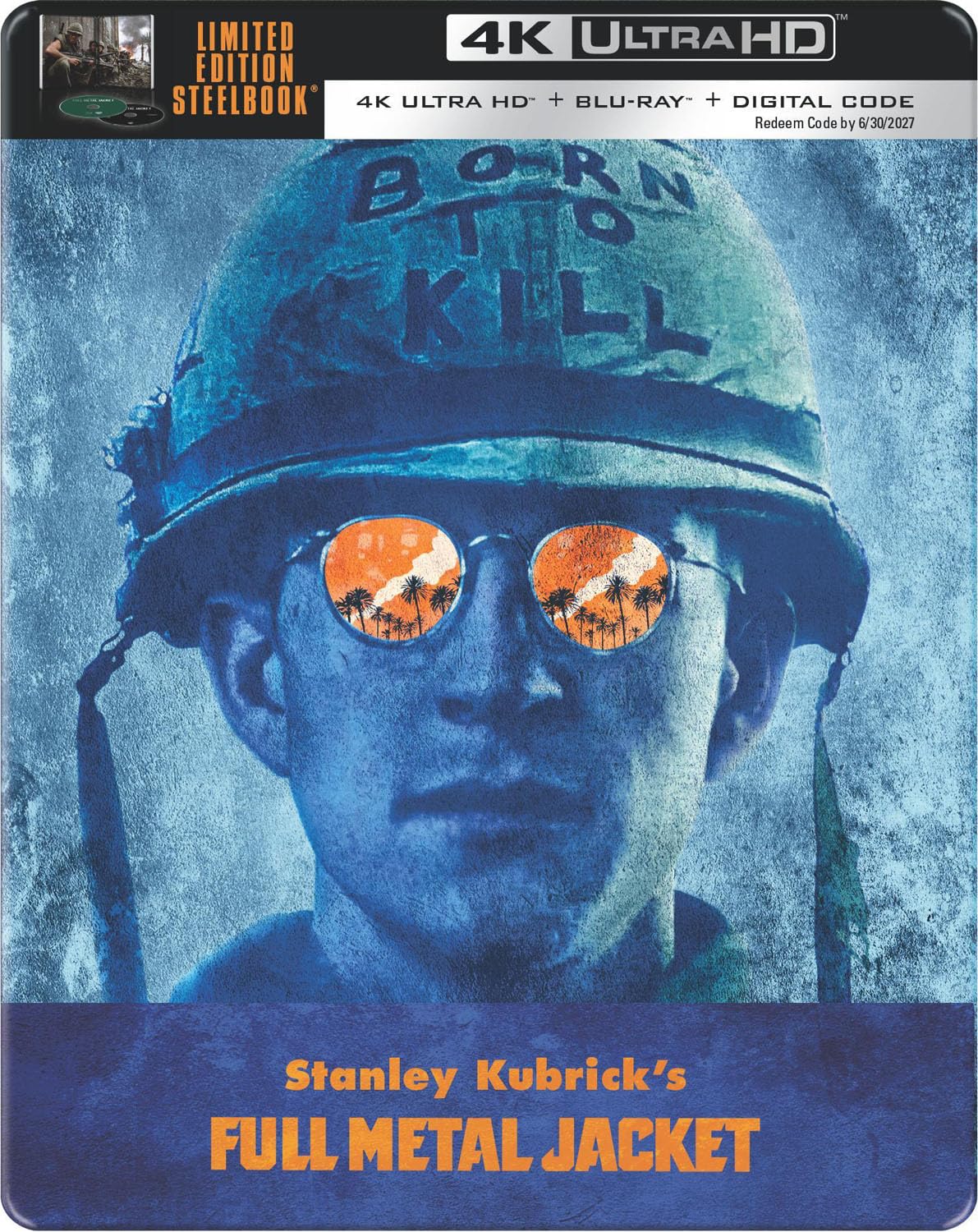
Full Metal Jacket Steelbook 4K Ultra HD Blu-ray Digital

Blue Velvet The Criterion Collection Blu-ray
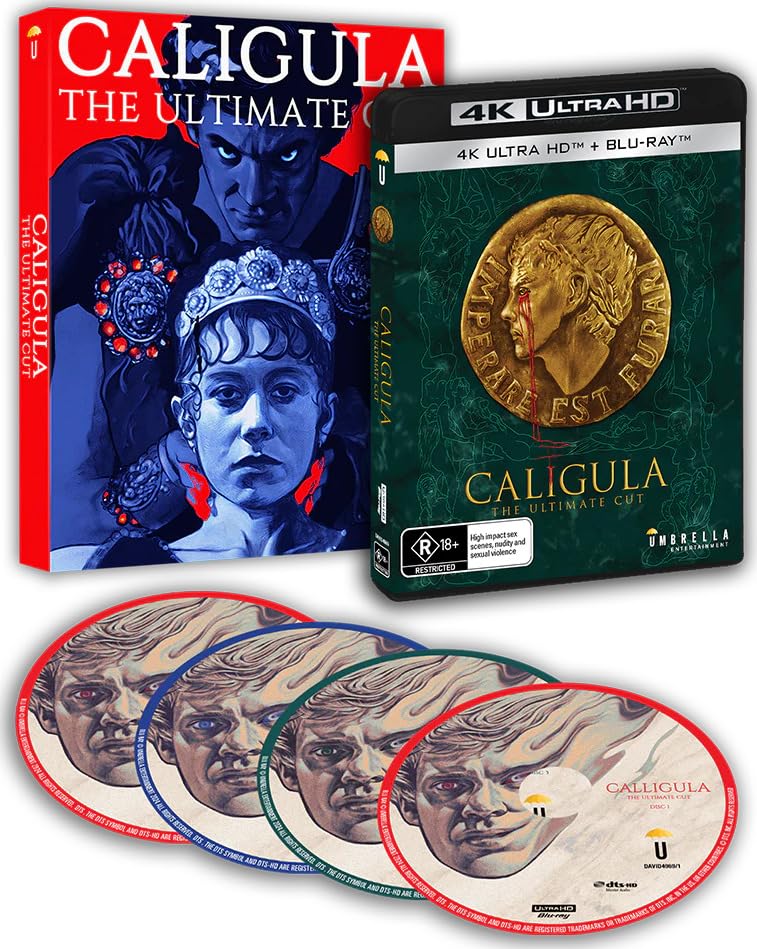
Caligula The Ultimate Cut 4K Ultra HD Blu-ray
We use optional analytics cookies to understand how visitors use Ventari and improve the experience. This banner controls analytics measurement only. See our Cookie Policy.