
Finally, a Card That Just Works — AMD 9070 XT Delivers Where It Counts
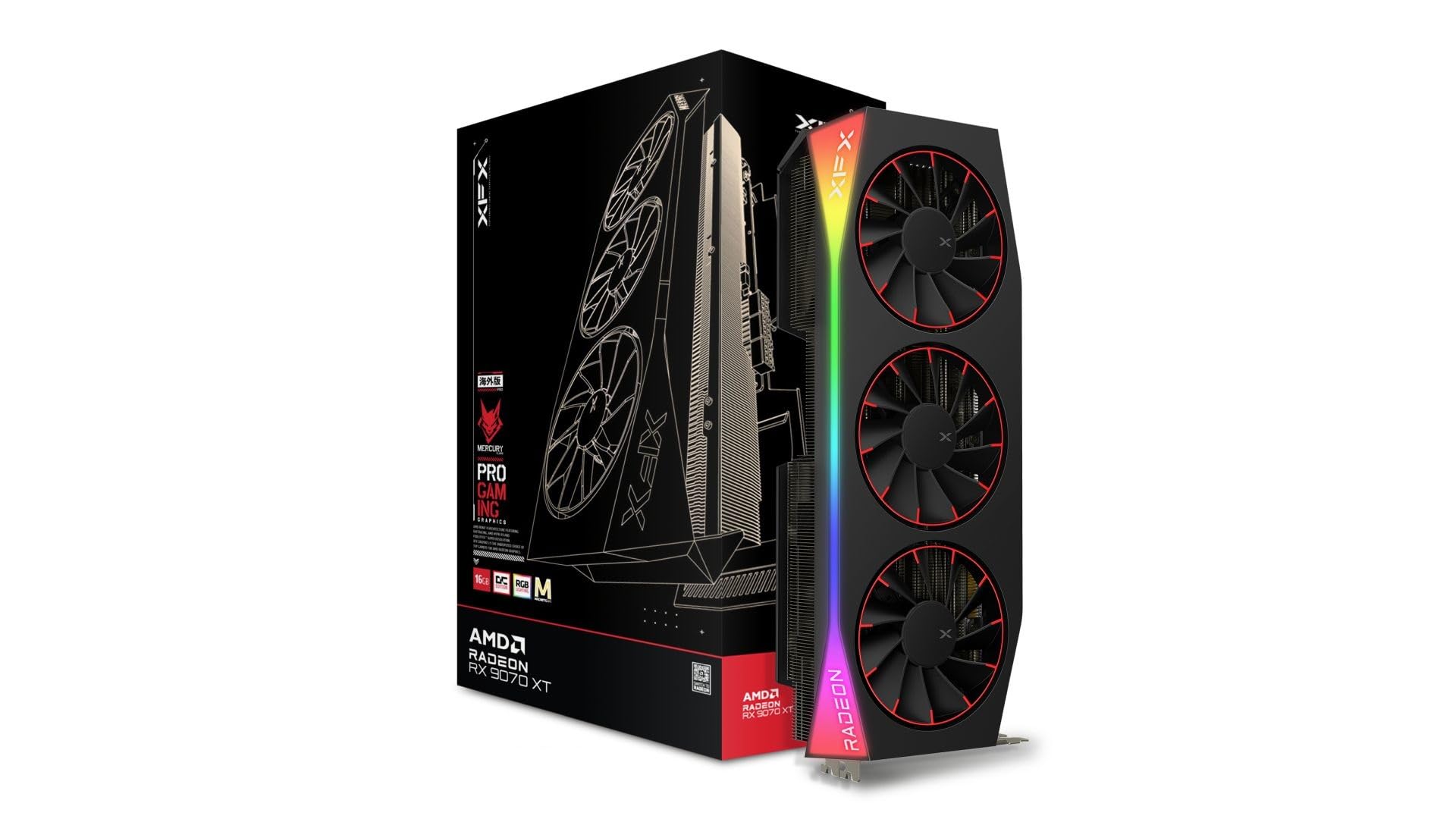
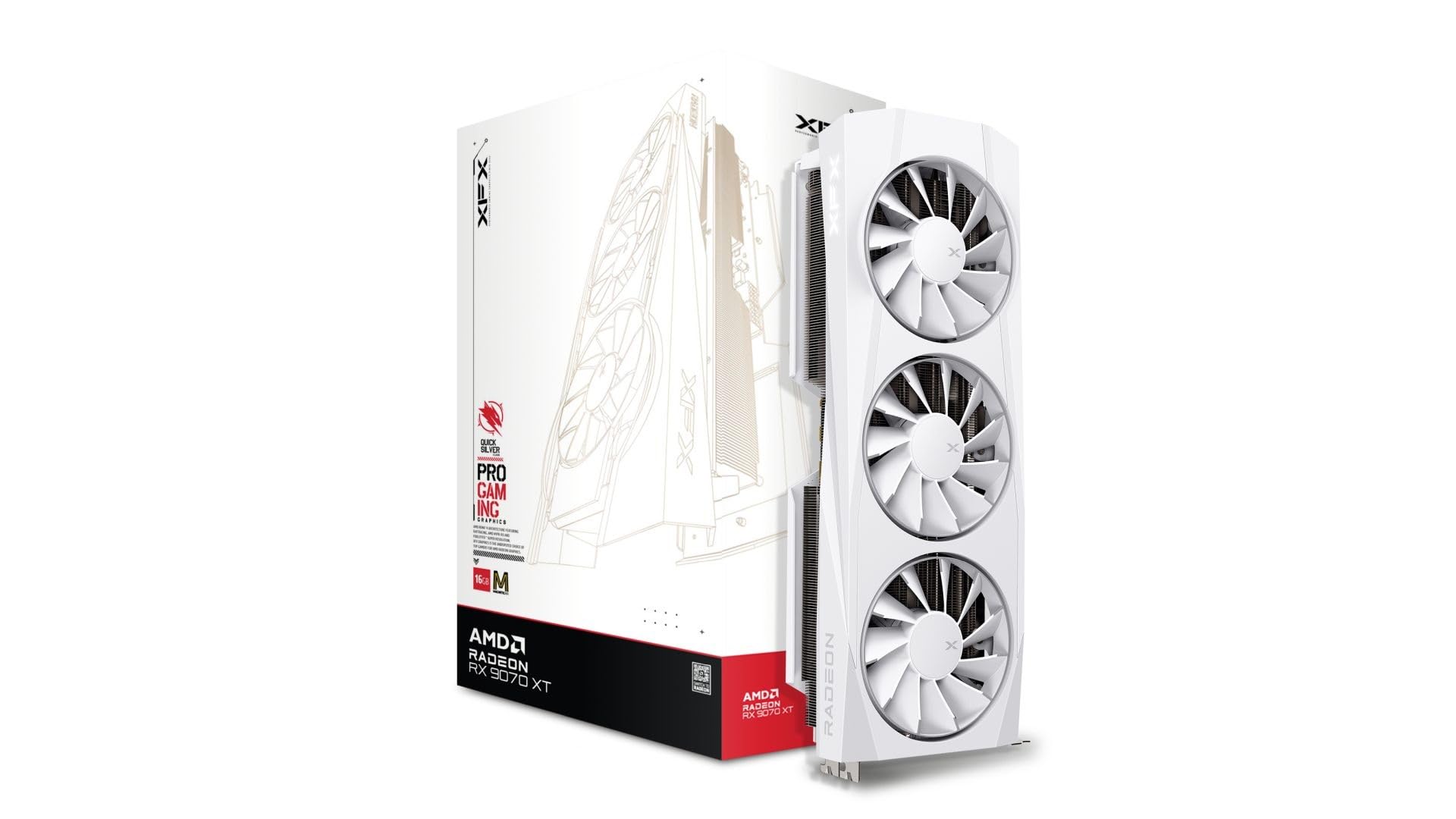
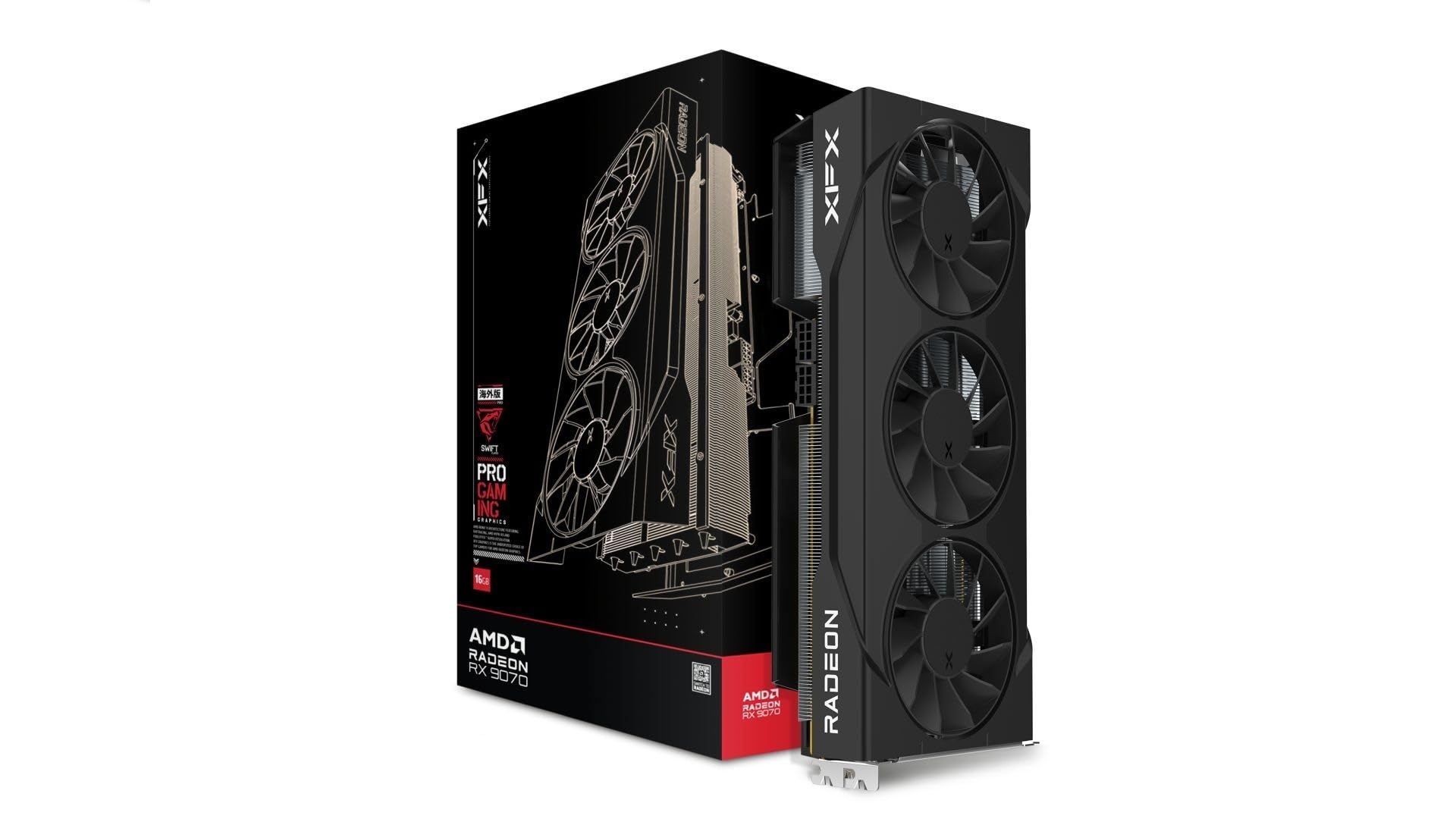
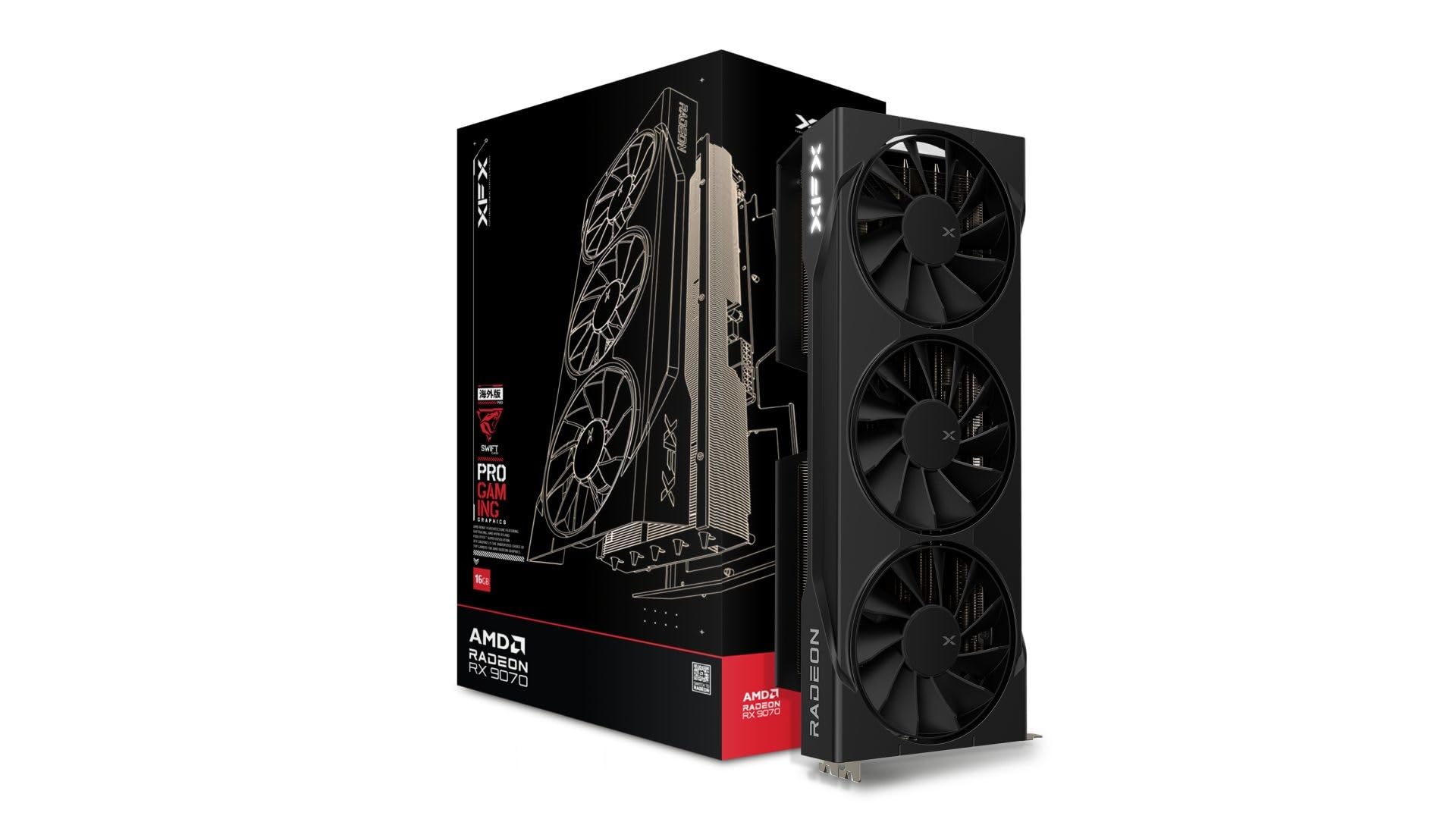
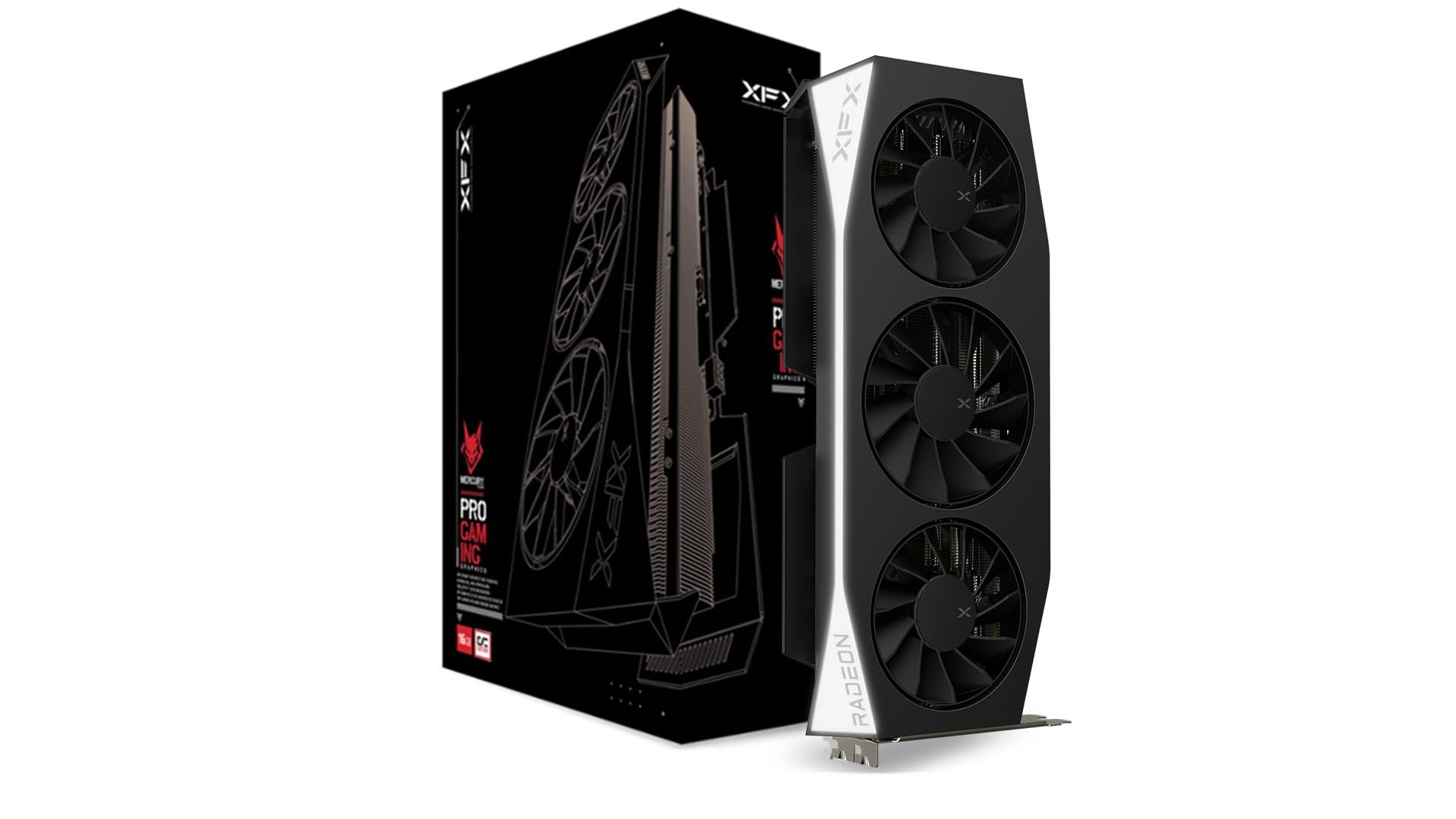
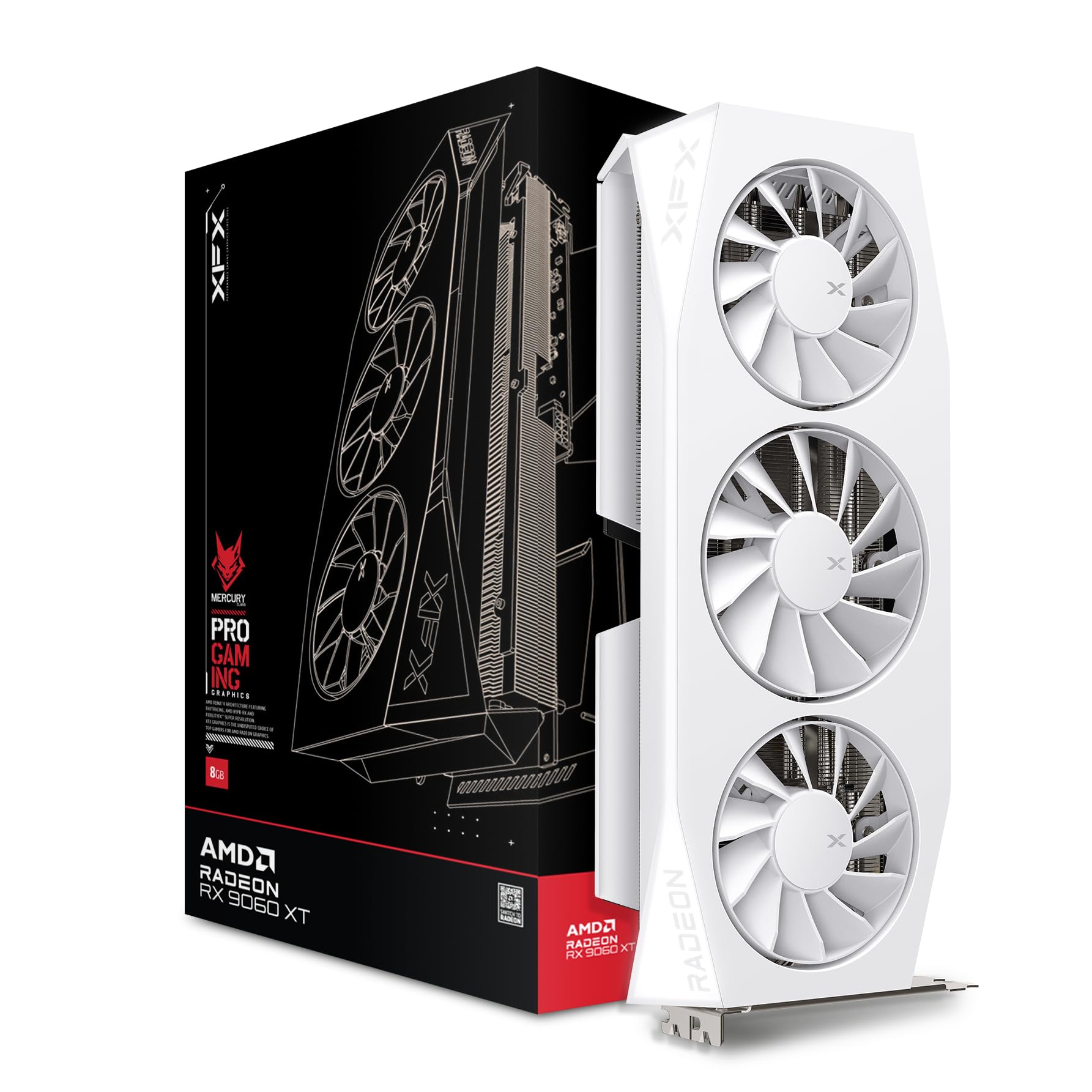
The media could not be loaded. I’ve never been more satisfied with a GPU upgrade coming for 7900 GRE. After returning a high-end Nvidia 5070 TI Rog Strix card that disappointed me with overhyped features and visual inconsistencies, I installed the AMD 9070 XT—and instantly knew I made the right choice. Right out of the box, performance was smooth, clean, and artifact-free. I ran my usual game library with Temporal AA only, and everything just worked. No ghosting. No latency. No “Frame Generation” band-aids. Just real performance, rendered natively, with none of the quirks that plague fake frames from DLSS. But what really sealed the deal for me—especially as a 4K OLED user—were two standout features: 1. Superior Custom Resolution Support The 9070 XT allows you to run intermediate resolutions like 1732p and 1800p, natively. Unlike Nvidia’s archaic Control Panel which fails at support modern monitors, AMD handles it automatically in games, no setup required. These resolutions sit perfectly between 1440p and 4K, giving you the clarity of near-4K visuals while gaining back valuable FPS. No manual tweaks. Just clean support straight from AMD’s drivers. For OLED gamers, this is a game-changer. 2. Vivid Gaming HDR Color Boost With HDR enabled, AMD’s Vivid Gaming feature brings the screen to life. Deeper contrast, more vibrant tones. I didn’t need to dive into archaic menus or calibrate anything. Just one toggle, and the colors pop like they should. 3. XFX: Thermal Design That Makes Sense I went with the XFX Quick Silver all-black model, which has a shroud over the GPU hotspot. This simple design detail helps airflow pass more cleanly through the case and lowers my CPU temps a few degrees. Smart, efficient, and clean aesthetics to match. Value That Speaks for Itself On top of all that—I saved $250 by going with AMD. At this performance level, that’s not just savings; that’s value without compromise. I’m not paying extra for features I don’t use, or for gimmicks that only make sense on weaker hardware. Final Thoughts DLSS might look great in a tech demo, but its original purpose was to help lower-end GPUs—like laptops or 60-tier cards—stretch their lifespan. On high-end desktops, though, it feels like a band-aid over performance that should already be there. You’re not getting clean frames; you’re getting reconstructed ones—with ghosting, latency, and artifacts baked in. I’d much rather have raw, native rendering and true responsiveness—and the 9070 XT gives me exactly that. Important: What truly sets AMD apart, though, especially for high-end displays like 4K OLEDs, is its support for intermediate resolutions—like 1732p and 1800p—natively. These are the perfect middle ground between 1440p and 4K, offering nearly indistinguishable visual quality compared to native 4K, but with better performance. Nvidia doesn’t support these resolutions out of the box, and when you try to create them manually through their outdated Control Panel, the test phase often fails. For high-end users chasing premium performance and visual quality, that’s more than just an inconvenience—it raises questions. Isn’t it a little too convenient that these sweet-spot resolutions don’t work—right when they’d make DLSS unnecessary? It starts to feel less like an oversight and more like a deliberate omission, one that keeps gamers dependent on upscaling instead of giving them the tools for a cleaner, native experience. It’s surprising that the 5070 Ti has hundreds of reviews while the 9070 XT barely registers. That tells me Nvidia’s marketing is loud—but not necessarily honest. If you care about how your games actually feel and look in real-time, not just synthetic benchmarks and buzzwords, you owe it to yourself to give AMD a serious look. The 9070 XT isn’t just a great GPU—it’s the underdog powerhouse Nvidia doesn’t want you to notice. I’m glad I did. UPDATE -- MY REVIEW which is very similar on the 5070 TI got wiped out! Read more