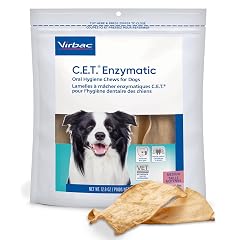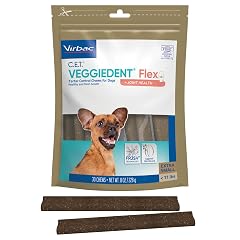



great product, take it from a professional
I am a registered dental hygienist (for people) who has also cleaned dog teeth in veterinary settings as well as my own dogs' teeth at home, so I can attest to the importance of good oral care for us and our pets! Regular effective cleaning can help guard against both tooth decay and gum disease (which causes the teeth to become loose and fall out eventually). Cleaning your pets' teeth "in office" at the vet is a valuable service -one which I highly recommend; but it's hard on your pet (anesthesia req'd) and on your pocketbook; so if you can do it once every few years instead of every year, you will both be better off! Let me be clear: if your vet recommends in-office treatment, then you should do it -there are many problems which they can diagnose and treat only in their office under anesthesia. But in the meantime, and afterward, you can do a lot at home. I've had great success with C.E.T. Enzymatic toothpastes -they work great, imho better than competitors' brands, and my dogs love the taste. Enzymatic toothpaste works by dissolving deposits chemically, before they harden into tarter which must then be removed with an instrument by a professional. Brushing is still vital, as the mechanical action also cleans the teeth -sprays just don't get it. You must brush regularly (before those deposits become hardened onto the teeth). Regular brushing also helps train your pet to accept treatment -really they all come to love it and look forward to the taste and the attention. You can start off very slowly, just putting the brush near their mouth, next time touch a few teeth, etc -reward with small taste of the toothpaste or with another tasty treat (I use tiny bits broken off a mozzarella stick) -S-L-O-W-L-Y build up the time you spend brushing...depending on your pet it may take days or weeks for them to accept long enough treatment time to clean all the teeth. There are many helpful videos online which demonstrate how to slowly train up to this and the instructions from C.E.T. are very good as well. I use a human kid-sized brush for the small dog and regular adult brush for the big guys, there is really no need for a special brush -though the ones with bristles that wrap around all sides of the teeth are kinda nice. This is a slow process at first, but invest the time and soon you'll be able to do it quickly and efficiently. Brush REGULARLY -no less than once a week, preferably every 1-2 days, to get those deposits off before they harden (they can harden in just a few days)! And brush your own teeth -twice a day, slowly (2-3 minutes), followed by flossing. Same rules apply: once that stuff hardens on there, only your dentist or hygienist can get it off...and as long as it's on there it is leading you closer to tooth decay and gum disease...and ultimately tooth loss. The sooner you begin, the better -please do not wait until the dog is old, not eating well because of tooth pain and missing teeth...often by this time your beloved pet is too old and unhealthy to risk anesthesia, and you feel terrible knowing you could have prevented this with a small investment of quality time with your pet. Another note: be careful what you let your dog chew on -hard toys, bones that are not fresh, and tennis balls can severely wear down and break their teeth over time and this too will lead to tooth loss or possibly emergency extractions. Always supervise and limit chewing behaviors. I like fresh marrow bones and the elk antlers for giving my girl something safe to chew on. Read more