






Impressive Power Solution - Even More So When You learn It's Quirks
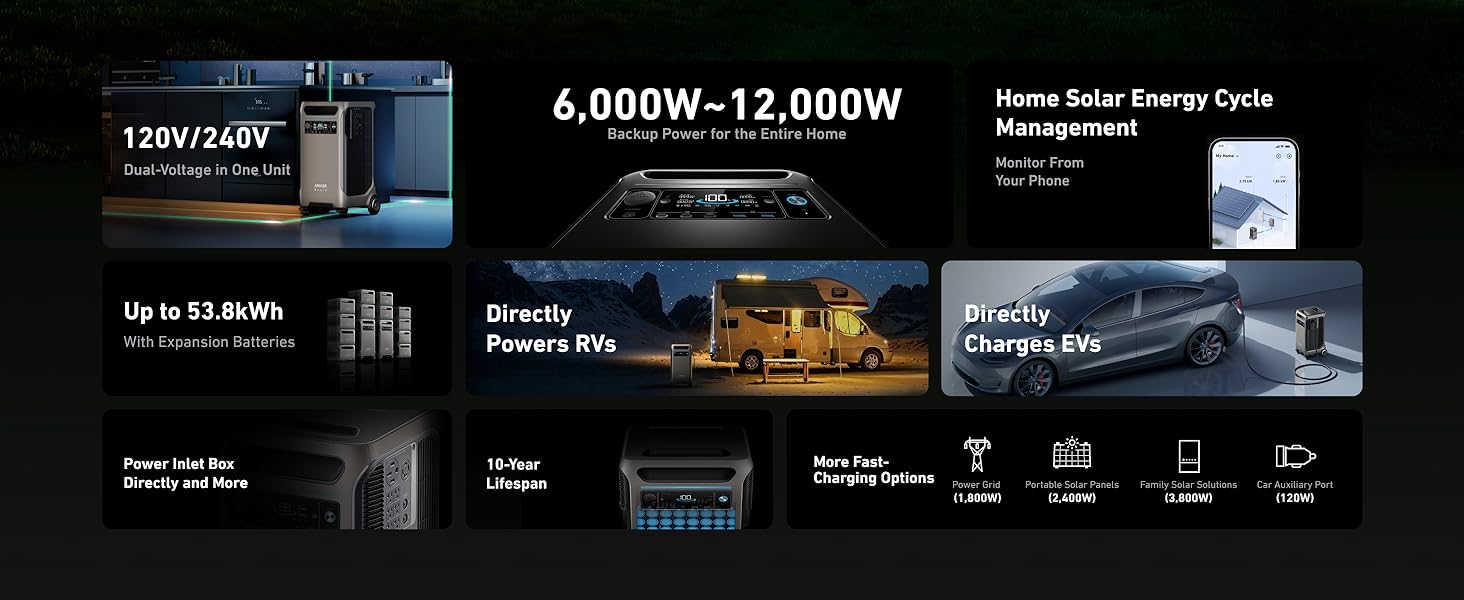
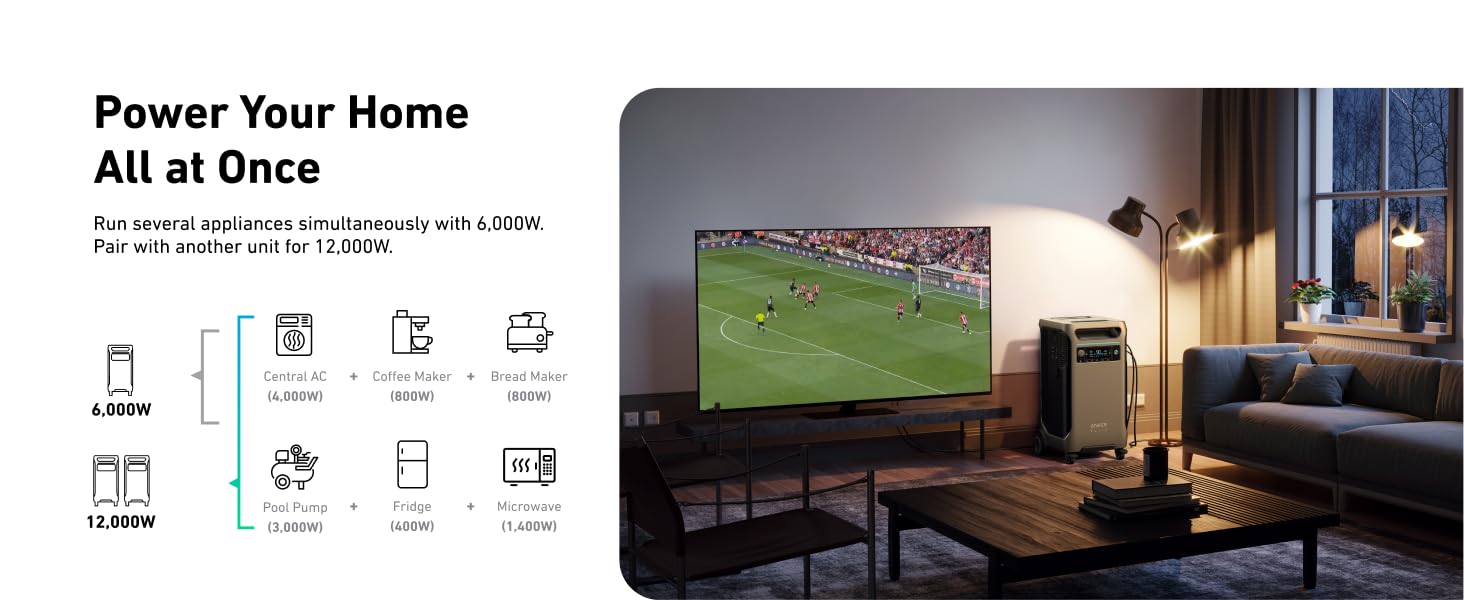
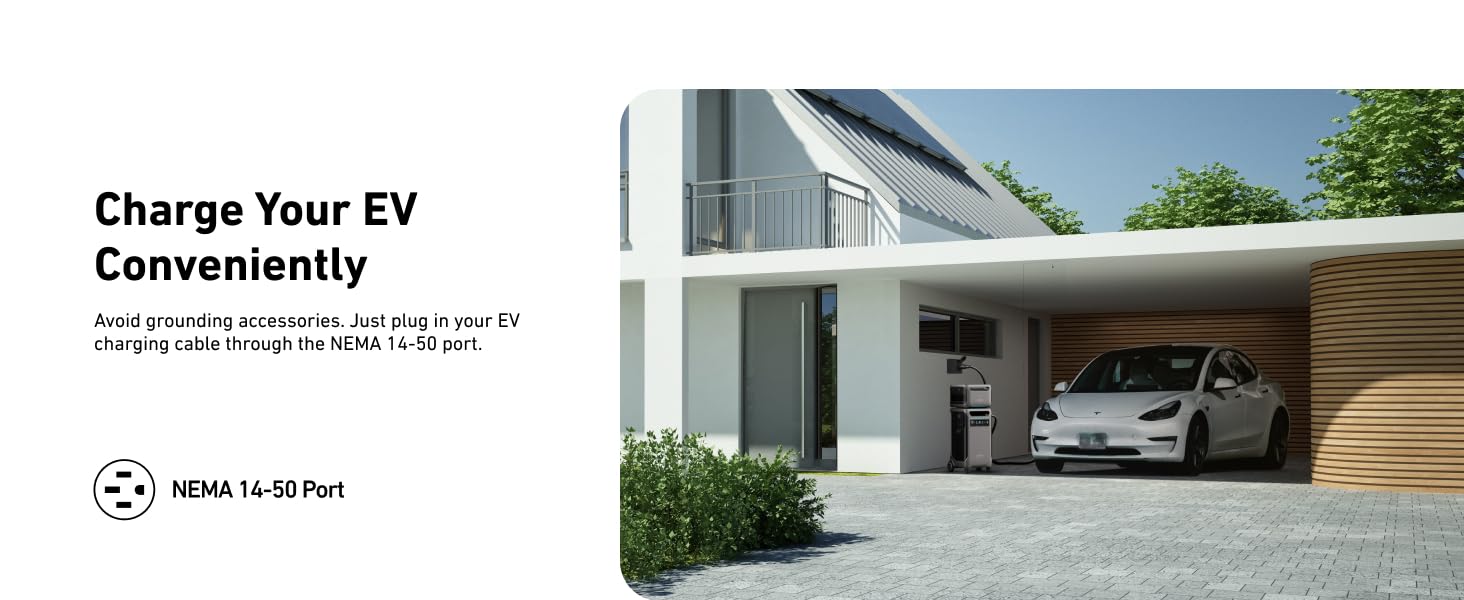
I purchased an Anker Solix F3800 in March of 2024 with the intention of using it as I develop my property in Idaho. It has proven to be an invaluable tool, and as I've used it in various scenarios, I've learned a lot about its quirks and undocumented "features". I use the F3800 to power my tools and recharge batteries, to provide light where I'm working, run my well pump and more recently to provide power to my 40ft. Class A diesel pusher motorhome. It's been quite reliable, but it does have a few issues. First, should you purchase one, be sure to hook it up to wifi and update the firmware. Prior to doing that, I was unable to use AC power (from my RV Generator) along with solar to recharge it. I'm currently running firmware 2.1.5, which does allow simultaneous AC and DC charging. Second, the MPPT controllers built in for solar are optimized for Anker's proprietary solar solutions, which are relatively expensive. Pay close attention to how you configure your solar panel wiring to optimize charging. Assuming you can find the right combination of serial/parallel connections, you can charge the F3800 with up to 2400 watts of solar power, but it's not easy to get to that number. Third, the built-in BMS limits charging current when the batteries are colder than 10c/50f. I've discovered that you won't be able to put more than about 710 watts DC or 685 watts AC into the F3800 if the battery temp reads below these figures. (Quick tip - put a heavy AC load on it to get those electrons flowing and warm up the batteries in the morning!) IF the batteries are above 10c, it will charge quickly with solar or AC input. I manage to push about 1500 - 1600 watts into it at peak sunlight with my two strings of panels, and at that rate it only takes a few hours. If you're charging a warm unit with AC power, it will charge completely in under two hours, assuming you have not limited the AC power for charging via the app. Overall I'm very pleased. the phone app (I use IOS) is good, but could be improved by adding input and output power over time. It has graphs, but since those numbers are constantly changing, there's no way to track usage. Overall, I'm very pleased with my purchase. Anker support is responsive, although it took almost a week of emails back and forth to find out that my "charging problem" was because the batteries were cold and current was being limited by the BMS. For those of us who understand solar, batteries, BMS, etc. 50 degrees F is a pretty high threshold under which to limit current. Hopefully Anker will reduce that to a more reasonable level in a future firmware update. With such a high temp. hurdle the usefulness of this device will be less than desired as the cold weather approaches. For those wondering, it *does* allow you to use a plug-in EV charger to charge your EV. I've tried it on my Rivian R1T, although the capacity of the Anker is a drop in the bucket for an EV with a 131kW battery! Highly recommended due to typical Anker quality, flexibility of use and expansion capabilities. It offers a reasonable value proposition when purchased on sale or in bundles. Read more